30 june 2026
K-beauty brands ISOI and Medicube face backlash over alleged political references in advertising
After Starbucks Korea found itself in hot water after holding a controversial “5.18 Tank Day” promotion on the anniversary of the 1980 Gwangju Uprising last month, Korean beauty brand ISOI snd Medicube are now facing accusations of running advertisements featuring politically charged language that makes light of the victims of the Korean War.
A note from the author: What follows is an impartial summary of the incident and should not be interpreted as an endorsement of any political position or of the allegations made by those involved.
How a skincare slogan sparked a political controversy
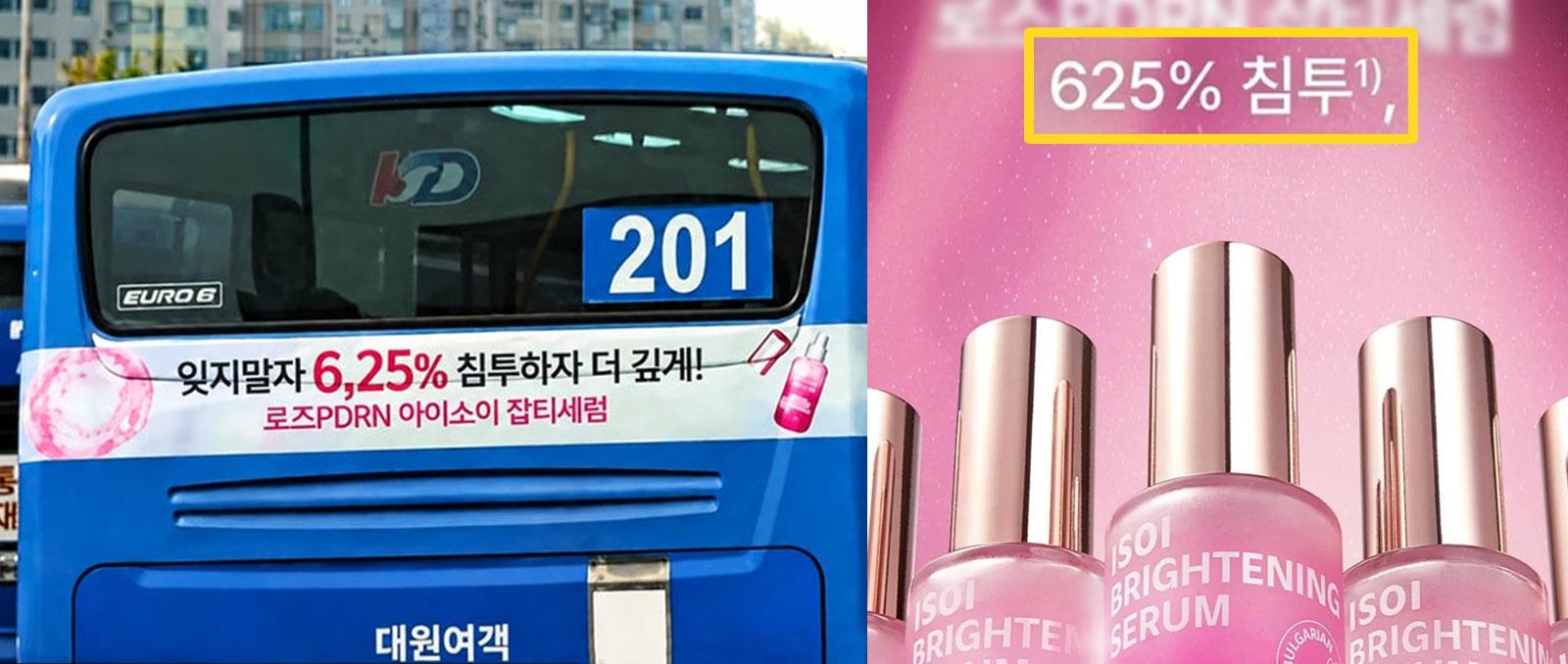
On 25 June 2026, images of a promotional campaign for Korean beauty brand ISOI started spreading across Korean social media. Displayed on the back of city buses across the country, the advertisement promoted ISOI’s bestselling “Brightening Care Serum” with the slogan “잊지말자 625% 침투하자 더 깊게”, a phrase that can be interpreted either as “Don’t forget! It penetrates 625% deeper” or “Let’s not forget! Let’s go 625% deeper!“.
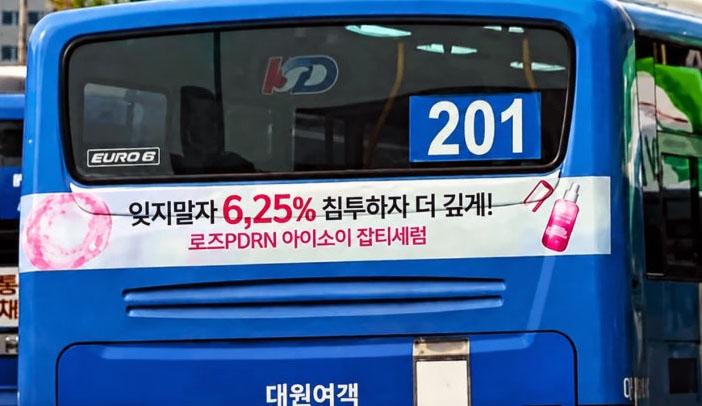
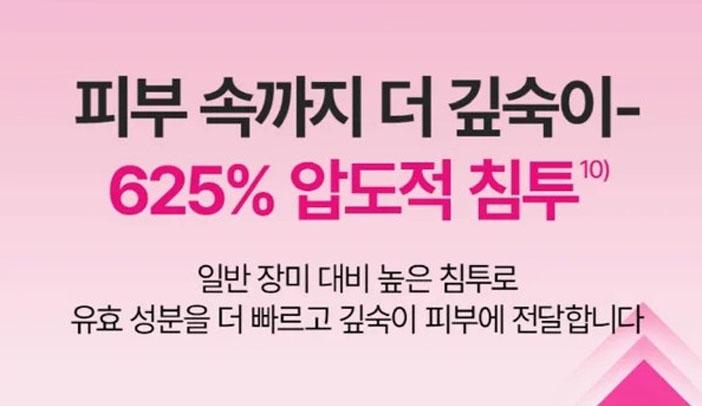
Before this incident, the number “625” used to appear in all marketing materials for ISOI’s “Brightening Care Serum” as a reference to the results of clinical testing comparing the skin penetration of the Bulgarian Rose Oil used in the serum with that of conventional rose oil.
For many South Koreans, however, the number “625” carries a very different meaning. In South Korea, 25 June (often abbreviated as “6/25” or “625”) marks the anniversary of the beginning of the Korean War in 1950, the day when North Korean troops crossed the 38th parallel to launch a full-scale invasion of the South.
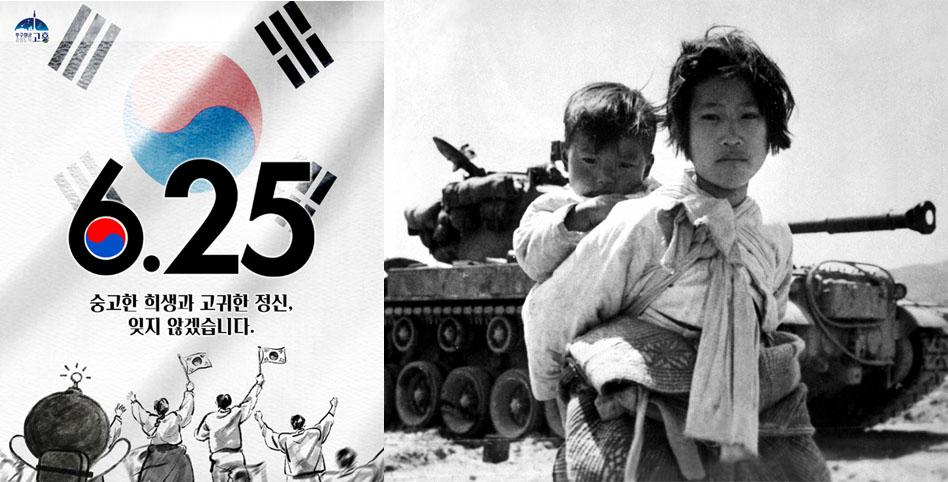
It is exactly this historical association that turned a seemingly inoffensive skincare campaign into a major political controversy.
ISOI responds to the backlash
After images of the campaign began circulating on social media, users started to criticise ISOI for using a slogan that combined several elements which, when viewed together, could be interpreted as making light of one of the most traumatic events in the history of South Korea.
Besides the prominent use of the number “625”, the slogan also included the expression “잊지말자” (“Let’s not forget“), a Korean phrase commonly used in commemorative campaigns of historical events, as well as the verb “침투” (“to penetrate”), which can also refer to military infiltration.
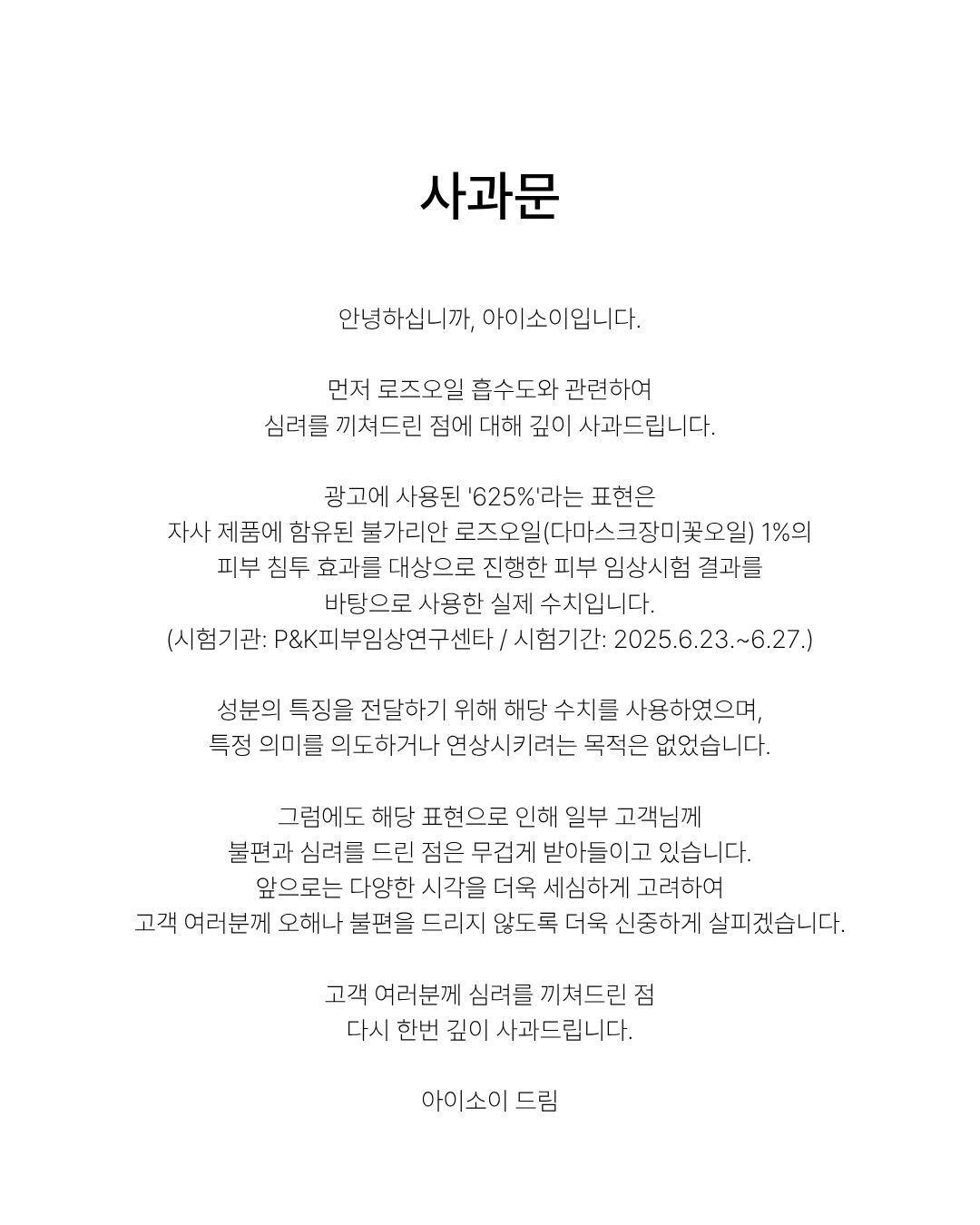
In response to the backlash, ISOI issued an official statement on 26 June explaining that the number “625” used in the advertisement for its “Brightening Care Serum” refers only to clinical testing results comparing the absorption rate of Bulgarian Rose Oil with that of conventional rose oil and was never intended to convey any political message.
Hello, this is ISOI.
First of all, we would like to sincerely apologise for any concern that may have arisen in relation to the rose oil absorption rate.
The figure “625%” mentioned in our advertisement is an actual number based on the results of a clinical study evaluating the skin penetration of the 1% Bulgarian Rose Oil (Rosa Damascena Flower Oil) contained in our product.
(Testing institution: P&K Skin Research Center Co. Ltd. / Testing period: June 23–27, 2025).
The figure was used solely to communicate the characteristics of the ingredient and was not intended to convey or evoke any other meaning.
Nevertheless, we acknowledge that this expression has caused discomfort and concern among some customers, and we take this matter seriously. Moving forward, we will be more careful and take a wider range of perspectives into consideration, so as to avoid causing misunderstanding or concern to our customers.
We once again offer our sincere apologies for the concern this matter has caused our customers.ISOI (ISOI’s official X account). Translation by Odile Monod.
The statement, however, did little to quell the controversy. Many users remained sceptical and argued there was no valid reason for the brand to place so much emphasis on the number “625” in the campaign, especially since the percentage referred only to the absorption rate of a single ingredient rather than the finished product.
CEO Lee Jin-min issues a public apology
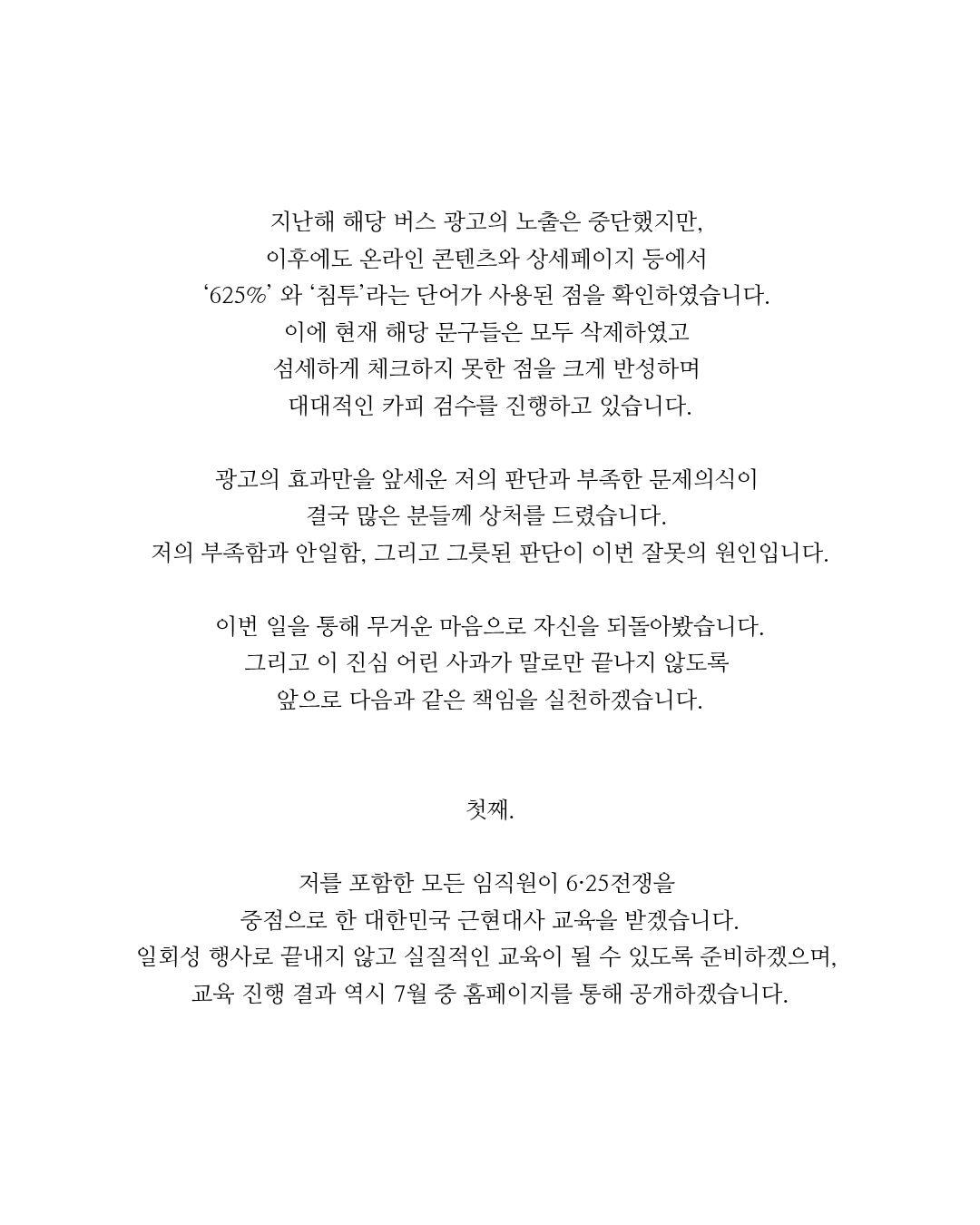
Three days later, on 30 June, the ISOI’s CEO Lee Jin-min released another, much longer statement to offer a public apology to everyone hurt or disappointed by the advertisement, especially Korean War veterans, and their bereaved families. The CEO also pledged that all employees would receive lessons on modern Korean history, similar to the initiative recently held by Starbucks Korea.
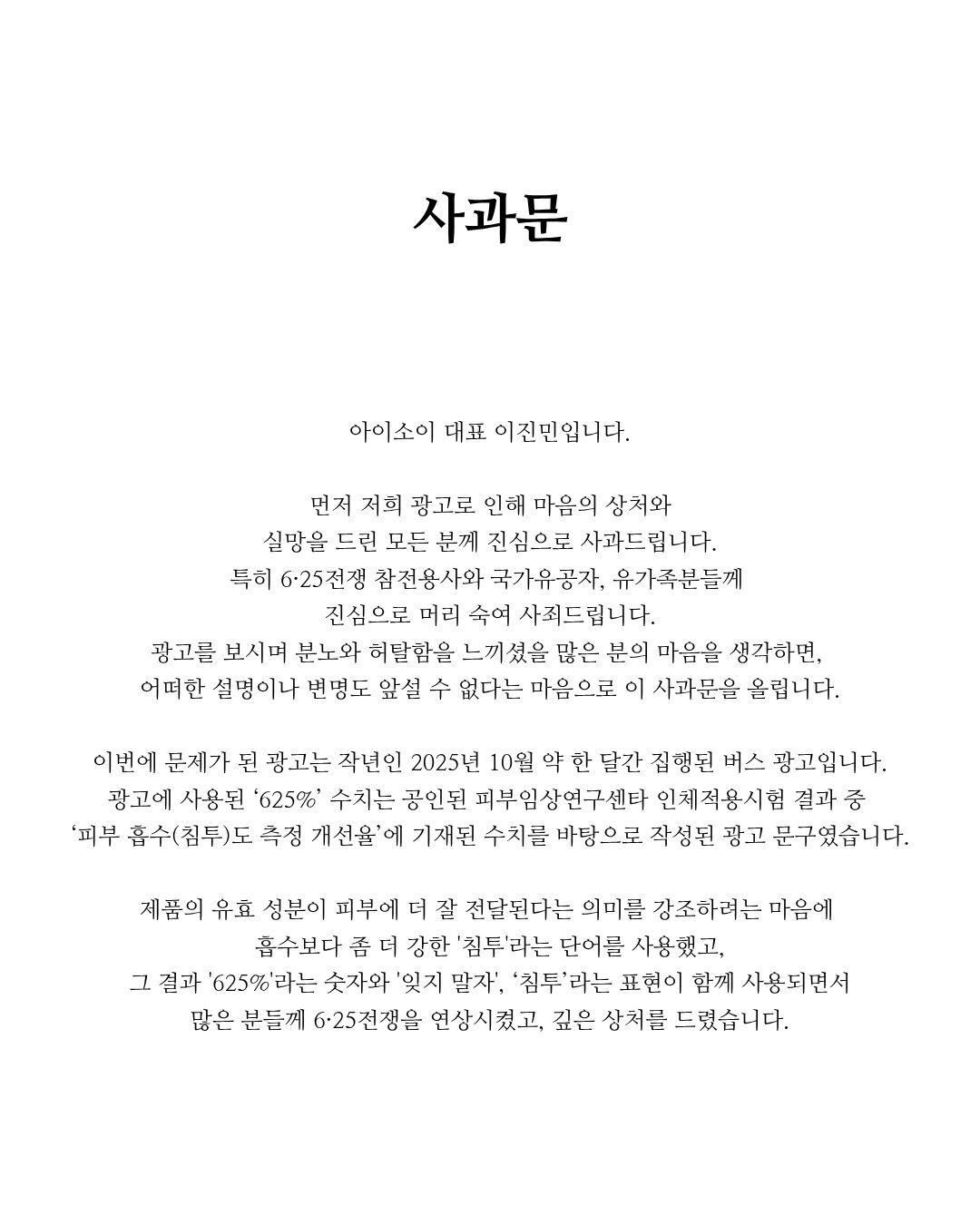
My name is Lee Jin-min, CEO of ISOI.
First of all, I would like to offer my sincere apologies to everyone who felt hurt and disappointed by our advertisement. I especially want to extend my heartfelt apologies to Korean War veterans, national merit recipients, and their bereaved families. I understand the anger and dismay many of you must have felt upon seeing our advertisement, and I believe I owe everyone a sincere apology before providing any explanation or excuse.
The advertisement in question was part of a bus campaign that ran for about a month in October last year, 2025. The figure “625%” mentioned in our advertisement was based on the results of an in vivo clinical study conducted by an accredited skin research institution, which measured improvements in skin absorption (“penetration”).
In our attempt to emphasise how much more effectively the product’s active ingredients are delivered into the skin, we chose to use the term “penetration”, which has a stronger connotation than “absorption”. As a result, the combination of the number “625%” with the phrases “Let’s not forget” and “penetration” led many people to associate the advertisement with the Korean War, causing deep hurt.
Although we stopped running the bus campaign last year, we have since confirmed that the terms “625%” and “penetration” still appeared in our online content and product descriptions. We have now removed these expressions and deeply regret that we failed to review it more thoroughly. We are currently conducting a comprehensive review of all our marketing materials.
My decision to prioritise the effectiveness of the advertisement, along with my failure to recognise the potential implications of the wording, ultimately caused pain to many people. This incident was the result of my own shortcomings, complacency, and poor judgement.
This has prompted me to reflect deeply on my actions. I want this apology to be more than words. Therefore, I am committed to taking the following actions:
First, all employees, including myself, will receive education on modern Korean history, with a particular focus on the Korean War. We will make sure that this is not a one-off event but a meaningful educational programme, and we will publish an update on its implementation on our website in July.
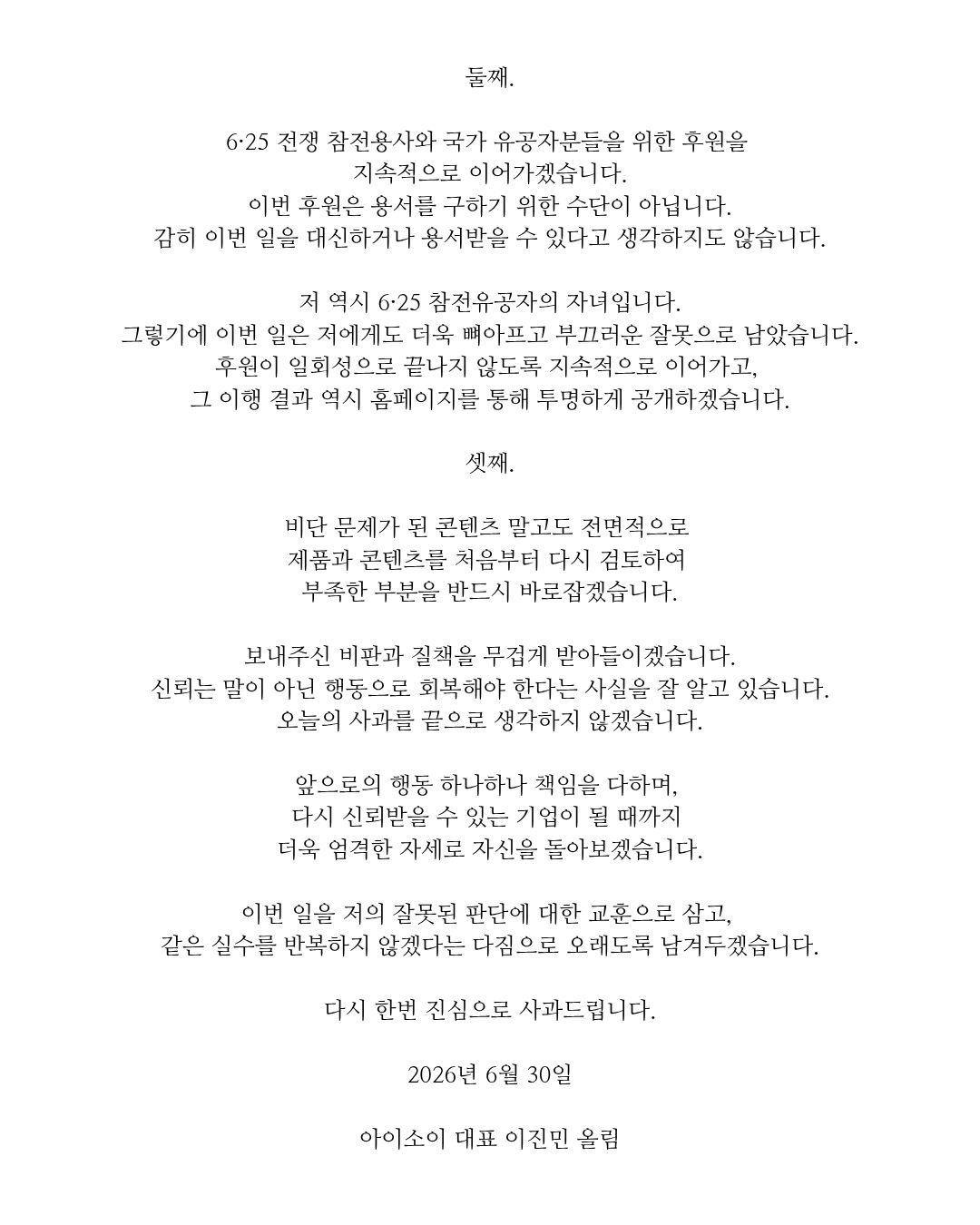
Second, we will provide ongoing support for Korean War veterans and national merit recipients. This support is not intended as a means of seeking forgiveness. I do not presume it can make up for what has happened or earn us forgiveness.
I, too, am the child of a Korean War veteran. For that reason, this incident has been especially painful and deeply shameful for me. We will ensure that this support is sustained rather than being a one-time initiative, and we will disclose its implementation transparently through our website.
Third, we will conduct a comprehensive review of not only the content in question but also of our products and marketing materials as a whole, correcting any shortcomings we identify.
I will take to heart the criticism and condemnation we have received. I fully understand that trust can only be rebuilt through actions, not just words.
I do not consider today’s apology to be the end of this matter. I will take responsibility for all future actions and continue to hold myself to the highest standards until ISOI once again becomes a company worthy of the public’s trust.
I will carry this incident with me as a lasting lesson in the consequences of my poor judgement and as a pledge never to repeat the same mistake.
Once again, I offer my sincerest apologies.
30 June 2026Lee Jin-min, CEO of ISOI (ISOI’s official X account). Translation by Odile Monod.
The controversy spreads to Medicube
The controversy did not stop there, however.
Shortly after the ISOI campaign came under fire, netizens started to look through advertisements from other domestic beauty brands and soon came across another campaign by Medicube that also made prominent use of the number “625”.
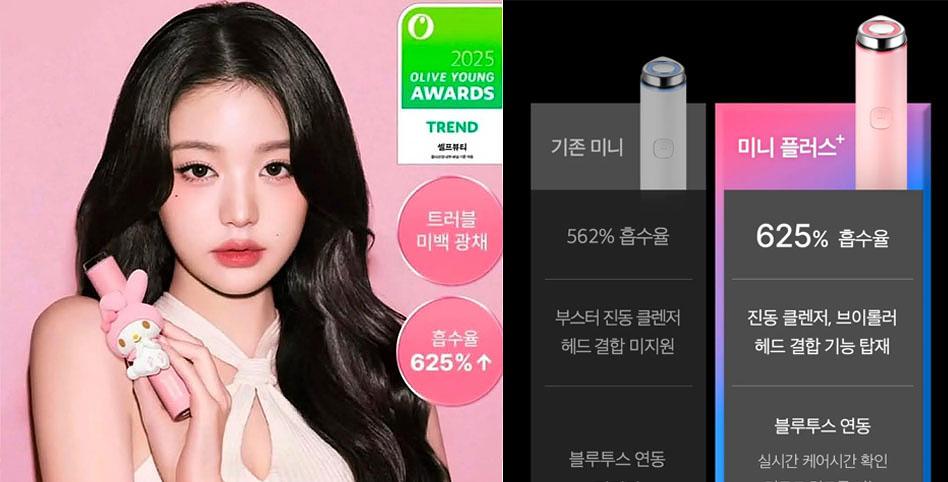
In the main promotional image for its “Age-R Booster Pro Mini Plus” skincare device on the Korean Olive Young website, Medicube chose to highlight “흡수율 625%↑” (“625% higher absorption”) as one of the product’s main selling points. According to the marketing materials of the product, the figure refers to the increase in the absorption rate of skincare products when used in combination with the device, but this did not stop social media users from drawing parallels with the ISOI campaign.
Medicube initially decided not to address the comments circulating on social media, but after the backlash continued to grow, on 7 July the company released an official statement on its Instagram account. In the statement, Medicube explained that the “625” number used in the promotional materials for its “Age-R Booster Pro Mini Plus” skincare device was simply based on the results of a clinical test conducted to measure the device’s ability to enhance the skin absorption of caffeine, and shared an image from the clinical test report showing a 6.25-fold increase in caffeine absorption after 15 minutes of use.
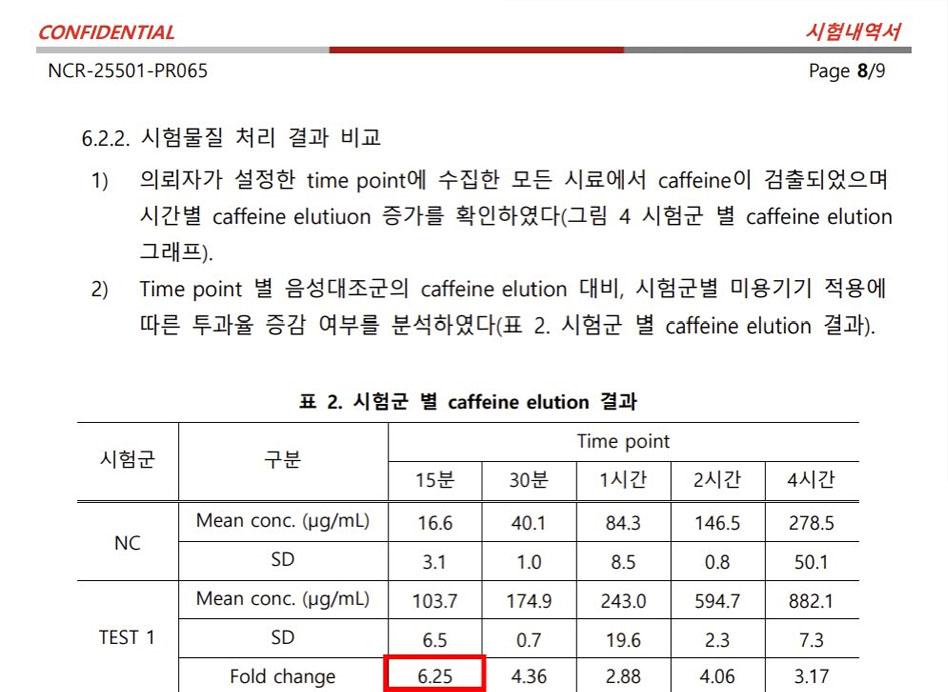
According to Medicube, clinical tests for the device were performed using caffeine because it is widely used as a reference substance in skin penetration studies as it has a molecular weight similar to that of many common skincare ingredients, including vitamin C, niacinamide and panthenol.
The aftermath
Both ISOI and Medicube’s statements failed to convince online commenters, who continued to argue there was no valid reason for the companies to make “625%” one of their products’ main marketing claims given that most South Koreans immediately associate the number with the Korean War.
Whether the controversy and the resulting boycotts will have any lasting commercial impact remains to be seen. If recent reports of young South Koreans growing more nationalistic are indeed accurate, this controversy could have a serious impact on the brands’ reputation among younger generations.
Source: ISOI’s official X account, Medicube’s official Instagram account.
Words: © 2026 Odile Monod.
Visuals: X, Goheung County Office, Maj. R.V. Spencer, ISOI’s official X account, ISOI’s official website, Medicube’s official website, Medicube’s official Instagram account.
You may not reproduce the above article for commercial purposes without the express written consent of the translator.