19 august 2026
South Korea moves to allow in vitro testing for sunscreen SPF and PA claims
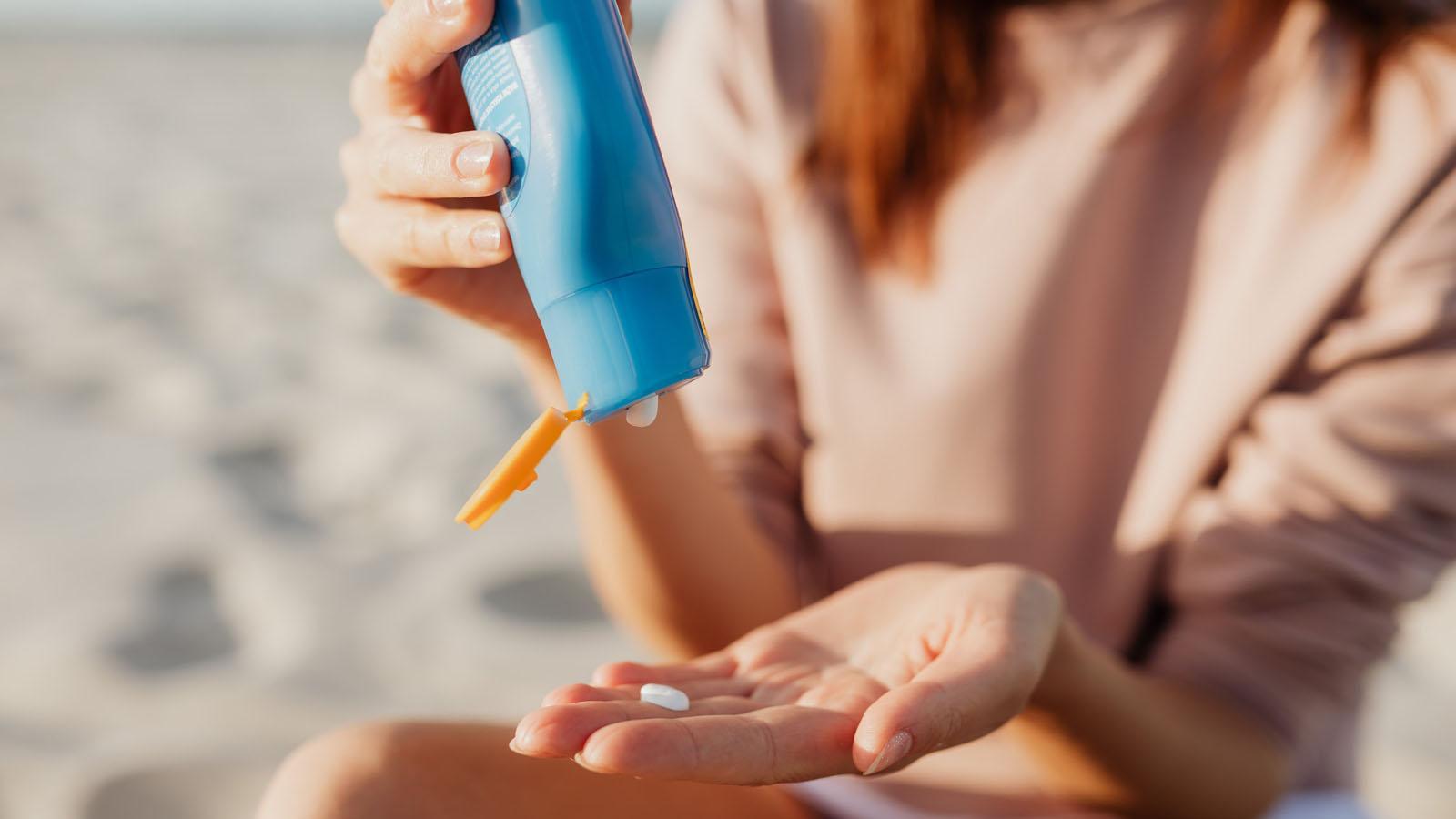
South Korea is preparing to make a major change to the way sunscreens are tested in the country.
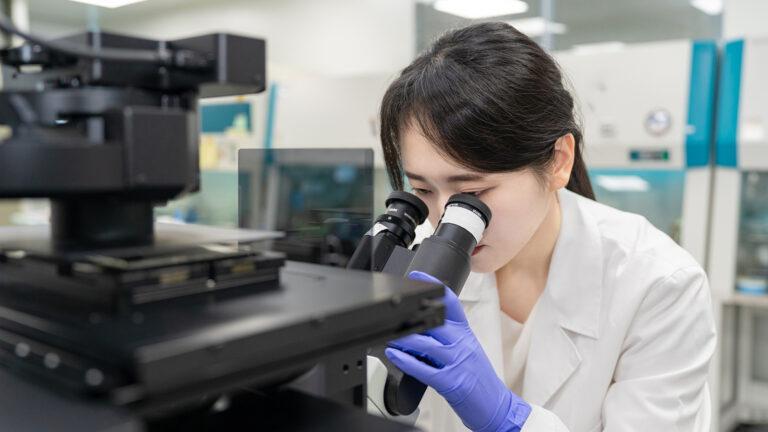
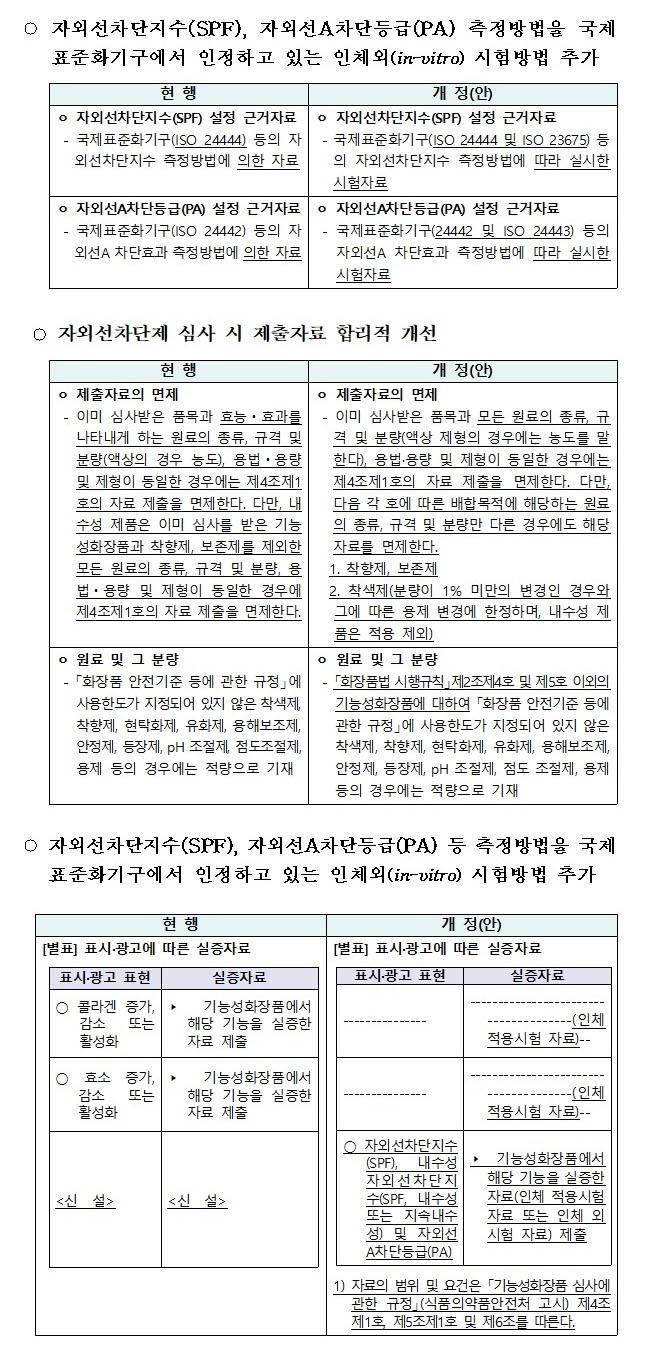
Under a new proposal announced by the Ministry of Food and Drug Safety (MFDS), sunscreen efficacy would no longer need to be tested exclusively on human skin, and for the first time, cosmetic manufacturers would be allowed to substantiate SPF and PA claims using two internationally recognised in vitro testing methods (ISO 23675, 24443).
South Korea moves to allow in vitro SPF and PA testing for sunscreens
The agency explains that these changes are meant to reduce the operational and financial burden of carrying out in vivo tests for Korean companies, allowing them to launch new products more rapidly in response to the increasing demand for Korean cosmetics abroad.
Until now, Korean law required in vivo testing to substantiate any SPF and PA claims. The proposed amendments would add ISO 23675 for SPF and ISO 24443 for UVA protection as accepted testing methods.
MFDS also tightens sunscreen pre-market review exemptions
Secondly, the South Korean MFDS has proposed an amendment to Article 10 of the Enforcement Rule of the Cosmetics Act, which sets out the conditions under which functional cosmetics can be exempted from pre-market review.
You might remember this particular law from the Korean sunscreen controversy of 2021. It’s the law that establishes that sunscreens and other functional cosmetics can bypass required pre-market tests when the formula is very similar to a product that was already tested and approved by the MFDS.
After the controversy, the MFDS decided to tighten the conditions under which companies could use this particular exemption and now, in 2026, the agency is proposing to narrow them even further.
Under the new proposal, the exemption would only apply when the new product is nearly identical to the formula that was already reviewed by the MFDS. Most ingredients (even non-active ingredients) would need to be the same and used in the same amounts, with only limited exceptions for fragrance, preservatives and colourants used below 1%.
The proposal is currently open for public consultation until September 18, after which the MFDS will review the feedback received before finalising the amendments.
Source: MFDS website.
Words: © 2026 Odile Monod.
Visuals: Kaboompics, Pexels.
You may not reproduce the above article for commercial purposes without the express written consent of the translator.